Furnace Tune Up Utah: Get Ready Before Winter Hits

Utah winters do not play around. One week you are raking leaves, and the next week your driveway is covered in snow. If your furnace has not had a checkup lately, now is the time.
A furnace tune up Utah homeowners can count on will keep your home warm, safe, and free from costly surprises when the temperature drops.
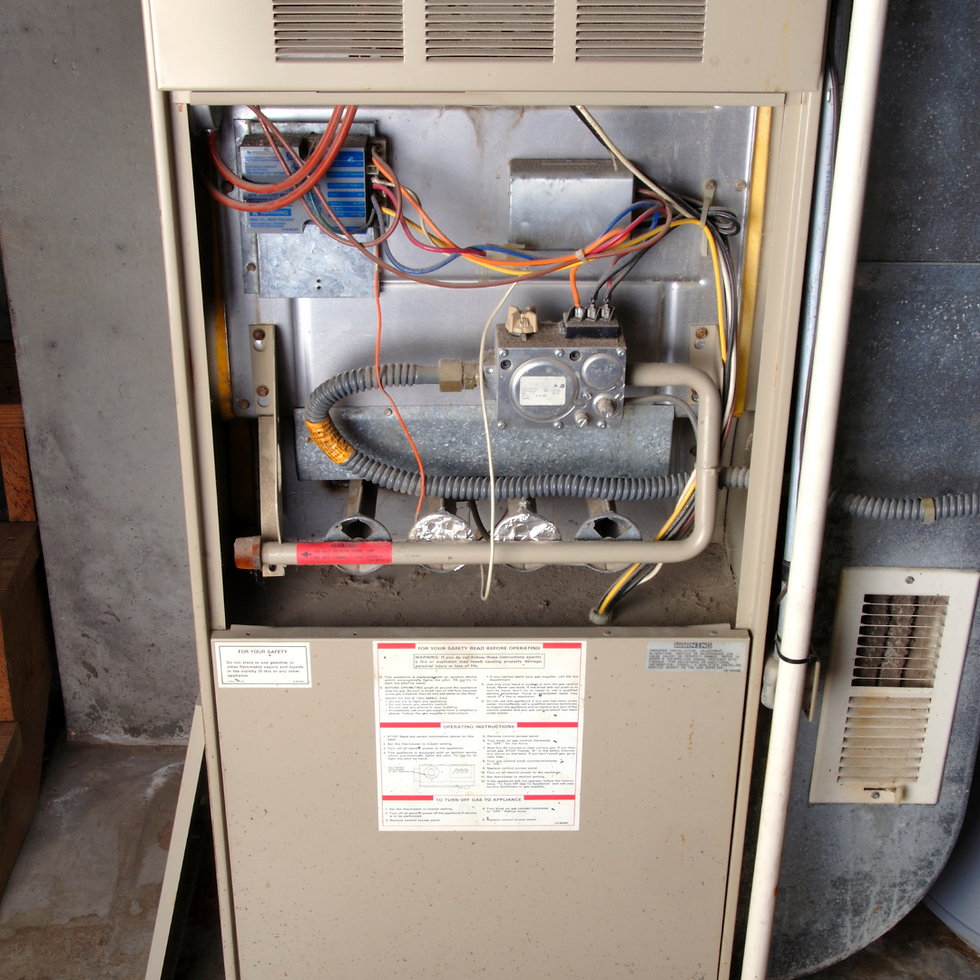
At Right Away Plumbing, our technicians have walked into hundreds of Utah homes right after the first cold snap. We see the same thing every year. A furnace that worked fine last spring suddenly struggles the moment it gets used hard.
Most of the time, it is not a mystery. It is a system that never got a proper checkup before winter arrived. Heating your home should not feel like a gamble when temperatures drop.
Let's talk about why a tune up matters so much here in Utah, what a good inspection actually covers, and how to spot trouble before it turns into an emergency.
Why Utah Winters Are Tough on Furnaces
Utah has a strange kind of cold. The air is dry, the elevation is high in many areas, and temperatures can swing fast between day and night. That combination puts extra strain on your heating system.
Furnaces that sit unused all summer often collect dust, pet hair, and debris in places you cannot see. When you finally flip the system on for the season, it has to work harder than it should. That extra strain adds up over time and shortens your furnace lifespan.
A simple furnace checkup before the cold season starts can catch small issues before they turn into big ones. Think of it like getting your car's oil changed. Skipping it will not break things right away, but it will catch up with you eventually.
What Happens During a Furnace Tune Up
A lot of homeowners ask us what we actually do during a visit. It is a fair question. A tune up is a full checkup on your HVAC system. It helps catch issues that could interrupt furnace operation in cold weather.
Mechanical and Safety Checks
Checking the ignition system and burners
Inspecting the heat exchanger for cracks
Checking gas pressure, connections, and the gas valve
Testing safety controls and shut-off switches
Checking the flue and venting for blockages
Airflow and Performance Checks
Cleaning or replacing the air filter
Testing the thermostat for accurate readings
Lubricating moving parts like the blower motor
Each of these steps plays a part in keeping your system running smoothly. Skipping even one can lead to a furnace not heating properly or, worse, a safety hazard.
This is where experience really matters. Our techs have seen small issues, like a slightly cracked heat exchanger, that would have gone unnoticed without hands-on inspection.
Catching that early can mean the difference between a quick repair and a full furnace replacement.
Signs Your Furnace Needs Repair
You do not have to wait for your furnace to stop working completely before calling for help. There are usually warning signs that show up first.
Watch for these signs your furnace needs repair:
Strange noises like banging, rattling, or squealing
Uneven heating from room to room
A burning smell when the system turns on
Higher than normal energy bills
The furnace turning on and off more often than usual
Yellow or flickering pilot light instead of blue
Dust or soot buildup around vents
If you notice any of these, do not wait. Small problems rarely fix themselves, and furnaces tend to fail at the worst possible time, usually during the coldest week of the year.
Furnace Not Heating? Here's What's Going On
A furnace not heating is one of the most common calls we get during winter. There are a few usual suspects behind this problem.
First, check your thermostat. Sometimes the fix is as simple as replacing a dead battery or fixing a setting that got bumped by accident. Second, check your air filter.
A clogged filter blocks airflow and can cause the system to overheat and shut down as a safety measure. Third, it could be a pilot light or ignition issue, which needs a trained technician to safely repair.
If your furnace runs but blows cold air, or does not turn on at all, it is best to call a professional rather than guessing. Furnace systems involve gas lines and electrical components, and DIY fixes can create bigger safety risks.
How Regular Tune-Ups Extend Furnace Lifespan
Most furnaces are built to last between 15 and 20 years. But that number depends heavily on how well the system is maintained. A furnace that gets a yearly tune up tends to last longer than one that gets ignored.
If you have an older furnace, regular checkups matter more because older parts wear out faster and need more care.
Think about it this way. Dust buildup makes the motor work harder. A dirty burner causes uneven combustion.
Loose electrical connections create extra wear on components. Over time, these small stressors shorten your furnace's working life.
Routine furnace maintenance Utah homeowners schedule every fall helps the system run the way it was designed to run. That means less wear, fewer repairs, and a longer life for your equipment.
A tune up can also help you decide whether it makes more sense to repair your current unit or replace it, since a technician can tell you honestly whether repairs or replace is the smarter move for your budget and your hvac system.
When Repair Makes Sense
If your furnace is under 15 years old and has only had minor issues, repair is usually the better choice. A cracked igniter, a worn belt, or a faulty sensor are common fixes that get your system running again without a big expense.
Regular furnace maintenance Utah homeowners keep up with often means these small fixes are all you ever need.
When Replacement Makes Sense
An older furnace that needs frequent repairs is telling you something. If you are calling for furnace repair Utah technicians every winter, or if your energy bills keep climbing no matter what gets fixed, replacement may actually save you more money in the long run.
A new, efficient system can also boost home comfort right away, since modern units heat more evenly and run quieter than older models.
Furnace Efficiency and Your Energy Bill

A furnace that is not running efficiently costs you money every single month. Dirty coils, clogged filters, and worn parts all force your system to use more energy to produce the same amount of heat.
Improving furnace efficiency is one of the easiest ways to lower your winter energy bills.
A clean, well-tuned system uses fuel more effectively, which means your home heats up faster and stays warmer for less money.
That kind of steady, even heat is a big part of overall home comfort, and it is something you notice the moment your furnace is running the way it should.
Many homeowners are surprised at how much of a difference a single tune up can make. It is one of the few home maintenance tasks that actually saves you money over time instead of just costing you more.
Furnace Safety Inspection: Why It Cannot Be Skipped
Safety is the biggest reason to schedule a furnace safety inspection every year. Furnaces run on natural gas or propane, and when something goes wrong, the risks are serious.
One of the most important checks during a tune up is looking for carbon monoxide leaks. A cracked heat exchanger can allow this odorless, dangerous gas to leak into your home.
Technicians also check the venting system to make sure exhaust gases are properly directed outside.
We always recommend homeowners pair their furnace inspection with a working carbon monoxide detector in the home. It is a small step that adds a big layer of protection for your family.
Avoid a Furnace Emergency This Winter
Nobody wants to deal with a furnace emergency in the middle of a snowstorm. Unfortunately, that is exactly when furnaces tend to fail, since they are working harder than any other time of year.
A furnace emergency usually does not come out of nowhere. It is often the final result of small issues that were never addressed. Scheduling furnace repair Utah residents trust before winter starts is one of the simplest ways to avoid an emergency breakdown later.
If you are already noticing warning signs, do not wait until the first freeze to make the call. Getting ahead of the problem now can save you from a stressful, cold night without heat.
A Simple Winter Furnace Maintenance Checklist
Here is an easy checklist you can use before the heating season fully sets in.
Replace or clean the air filter
Test the thermostat
Clear debris from around outdoor vents
Listen for unusual noises when the system starts
Check that vents and registers are not blocked
Schedule a professional furnace tune up
Test your carbon monoxide detector
Winter furnace maintenance does not have to be complicated. A few simple steps combined with a professional checkup will keep your system ready for whatever the season brings.
Why Utah Homeowners Trust Right Away Plumbing
Right Away Plumbing has spent years working in homes across Utah, and we know how our local weather affects heating systems. Our technicians are trained, licensed, and experienced with the specific challenges that come with Utah's climate and elevation.
We believe in honest inspections and clear communication. When we find a problem, we explain it in plain language, not confusing technical jargon.
Our goal is always to help you understand what is going on with your system so you can make the best decision for your home and your budget.
Homeowners trust us because we show up, we listen, and we get the job done right the first time. That reputation has been built one furnace tune up Utah home at a time.
Schedule Your Furnace Tune Up Utah Before Winter Arrives
Waiting until your furnace breaks down is never the easiest way to handle winter heating. A quick, affordable tune up now can save you from a stressful repair later, lower your energy bills, and help your system last for years to come.
If it has been a while since your last furnace checkup, or if you have noticed any warning signs, give Right Away Plumbing a call today.
Our friendly team will get your furnace ready for whatever this Utah winter throws at it, so you can stay warm without worrying about what might go wrong.

Comments