Furnace Not Working During a Utah Freeze

Nothing feels worse than waking up to a cold house in the middle of a Utah winter. You reach for the thermostat. Nothing happens.
Your furnace not working is one of those problems that always seems to show up at the worst possible time, usually during the coldest night of the year.

We've been fixing heating systems across Utah for years, and we've seen it all. Cracked heat exchangers. Dead thermostats. Pilot lights that won't stay lit.
The good news? Most furnace problems have a clear cause, and many of them can be figured out before you even pick up the phone.
This guide walks you through exactly what to do when your furnace stops working during a freeze. We'll cover simple troubleshooting steps, warning signs that mean you need help fast, and how to stay safe and warm while you wait for a fix.
Common Reasons Your Furnace Is Not Working
Utah winters are no joke. When temperatures drop into the single digits, your furnace has to work overtime just to keep your home comfortable. That extra strain is often what pushes an aging or poorly maintained system over the edge.
Cold snaps expose weak spots that were hiding all along. A pilot light that flickers on a mild day might go out completely once the wind chill hits.
A furnace filter that was "fine" in October can choke off airflow by January. And older parts that were barely hanging on tend to give out right when you need them the most.
This is exactly why furnace maintenance Utah homeowners invest in during the fall pays off. A quick inspection before winter hits can catch small issues before they turn into a furnace emergency.
Common Signs Your Furnace Stopped Working
Before you panic, take a minute to notice what's actually happening. The symptoms usually point to a specific problem.
Furnace Not Turning On At All
If your furnace won't turn on, start with the basics. Check your thermostat first. Make sure it's set to "heat" and not "cool" or "off." Replace the batteries if it uses them.
A dead thermostat display is one of the most common reasons people think their whole furnace has failed, when really it's just a two dollar battery.
Next, check your breaker panel. Furnaces run on electricity even if they burn gas, and a tripped breaker will shut the whole system down. Flip it back and see if that solves things.
This one confuses a lot of homeowners. Your furnace is running, you can hear the fan, but the air coming out feels cold instead of warm.
A few things can cause this:
The pilot light or ignitor has gone out
The gas supply to your home has been cut off or is low
The thermostat fan setting is stuck on "on" instead of "auto"
The furnace is overheating and shutting off the burners as a safety measure
If your thermostat fan is set to "on," switch it to "auto." That alone fixes the problem more often than you'd think.
Furnace Not Turning On But Fan Runs
If the fan kicks on but the burners never fire, you're likely dealing with an ignition problem. This could be a faulty ignitor, a dirty flame sensor, or a gas valve issue.
These repairs need a trained technician, since they involve your gas line and electrical components.
Strange Noises or Smells
Banging, screeching, or a burning smell are not things to ignore. These can point to a bad blower motor, a cracked heat exchanger, or a wiring problem.
If you smell gas, that's different from a normal furnace smell. Leave the house immediately and call your gas company or 911 before worrying about the furnace at all.
Basic Furnace Troubleshooting You Can Try First
Not every furnace stopped working situation requires a technician. Here's a simple checklist to run through before calling for help. It only takes a few minutes.
Check the thermostat. Confirm it's set to heat, the temperature is set higher than the room temperature, and the batteries are good.
Check the breaker. Look for a tripped breaker labeled "furnace" or "HVAC" in your electrical panel.
Check the filter. A filthy, clogged filter blocks airflow and can cause the system to overheat and shut down. Swap it out if it looks gray or matted.
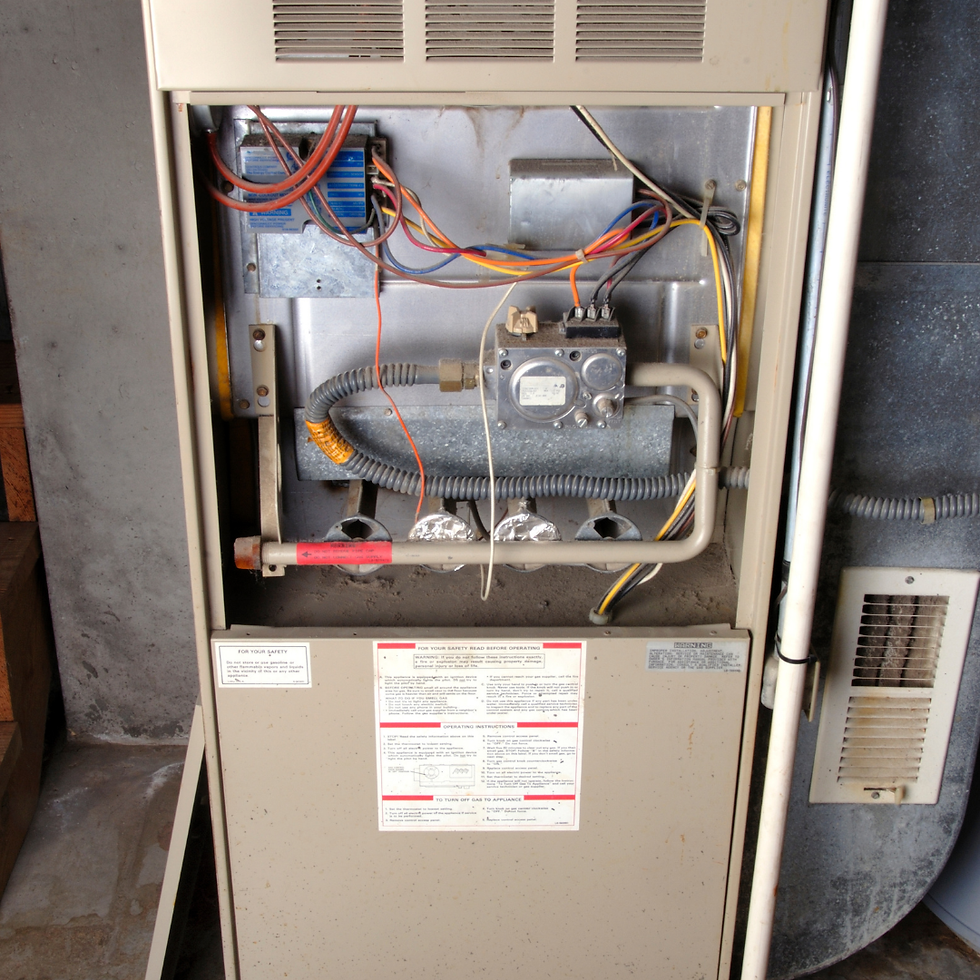
Check the pilot light or ignitor window. Older gas furnaces have a small window where you can see if the pilot light is lit. If it's out, your furnace manual usually has relighting instructions printed right on the unit.
Check your gas supply. Make sure the gas valve leading to the furnace is turned to the "on" position.
Check vents and registers. Make sure furniture, rugs, or curtains aren't blocking airflow, which can cause the system to overheat.
If you've gone through this list and your furnace is still down, it's time to call in a professional. Some problems, like a cracked heat exchanger or a bad control board, aren't something you should try to fix yourself. These involve gas, high voltage, or both.
When It's a True Furnace Emergency
Some situations mean you shouldn't wait, even overnight. Call for emergency heating repair Utah service right away if:
You smell gas or rotten eggs near your furnace
You see soot around the furnace or vents
Your carbon monoxide detector is going off
You have young kids, elderly family members, or pets at home with no heat in house during freezing temps
Indoor temperatures are dropping toward the 40s or below
Utah nights during a freeze can dip well below zero. A home without heat can become dangerous fast, especially for pipes, which can freeze and burst within hours. That turns one problem into two very quickly.
How to Stay Safe and Warm While You Wait for Repairs
If you're stuck without heat for a few hours while you wait for a furnace repair Utah technician, here's how to keep your family and your home safe.
Layer up and gather in one room. Body heat adds up. Close doors to unused rooms and keep everyone together in a smaller, easier to heat space.
Use safe backup heat sources only. Space heaters can help temporarily, but never leave them unattended and keep them away from anything flammable.

Never use a stove, oven, or grill to heat your home. These release carbon monoxide and can be deadly in an enclosed space.
Protect your pipes. Open cabinet doors under sinks near exterior walls so warm air can reach the pipes. Let faucets drip slightly to keep water moving, which helps prevent freezing.
Unplug sensitive electronics. A sudden temperature swing when the heat kicks back on isn't usually a big deal, but it doesn't hurt to be cautious with expensive equipment.
Keep your garage door closed if your furnace or water heater is located there. This helps hold in whatever residual warmth is left in the space.
Why Regular Maintenance Matters So Much in Utah
We get a lot of calls in January that could have been avoided in October. Furnace maintenance Utah winters demand isn't optional if you want a reliable system.
An annual tune up catches worn parts, dirty components, and small issues before they turn into a breakdown at 2 a.m. during a snowstorm.
During a maintenance visit, a technician will typically:
Clean and inspect the burners and ignition system
Check the heat exchanger for cracks
Test the thermostat and safety controls
Inspect and clean the blower motor
Check gas pressure and connections
Replace the filter if needed
This kind of proactive care is the single best thing you can do to avoid an emergency furnace repair down the road. It also helps your system run more efficiently, which can lower your energy bills throughout the season.
Finding the Right Furnace Repair Near Me
When you're searching for "furnace repair near me", look for a company with real experience working on Utah homes specifically.
Our climate is different from milder states. Homes here deal with dry cold, heavy snow loads, and dramatic temperature swings that put extra stress on heating equipment.
A trustworthy Utah furnace repair company should:
Be licensed and insured in Utah
Offer transparent, upfront pricing before starting work
Have technicians who explain what's wrong in plain language
Provide emergency service, since furnace failures don't wait for business hours
Stand behind their repairs with a solid warranty
Ask friends, family, or neighbors who they trust. Check reviews. A little research now saves a lot of frustration later, especially if you end up needing help during a freeze.
What Happens When You Call Right Away Plumbing
When you call us about a furnace that stopped working, here's what to expect. We ask a few quick questions to understand what's going on.
Then we get a technician out to your home as fast as possible, especially if you're dealing with no heat in house during freezing weather.
Our team diagnoses the issue on the spot, walks you through what we find, and gives you clear pricing before any work begins. No guessing games, no surprise charges.
We've spent years handling heating repair Utah families count on, and we know how stressful a cold house can feel, especially with kids or older family members at home.
We also offer maintenance plans designed to catch small problems before they turn into a full blown furnace emergency. A little attention now can save you a very cold, very expensive night later.
Don't Wait Out the Cold
A furnace not working during a Utah freeze isn't just inconvenient. It can put your family's safety and your home's pipes at real risk.
Run through the basic troubleshooting steps first. But if your furnace stopped working and nothing seems to fix it, don't tough it out through the night.
Comments